Digital transformation in health care goes far beyond introducing new technologies. It demands a systems approach that acknowledges the interconnectedness of policy, infrastructure, human resources, governance, and local...


DigiLearn shows remarkable results in Zambia
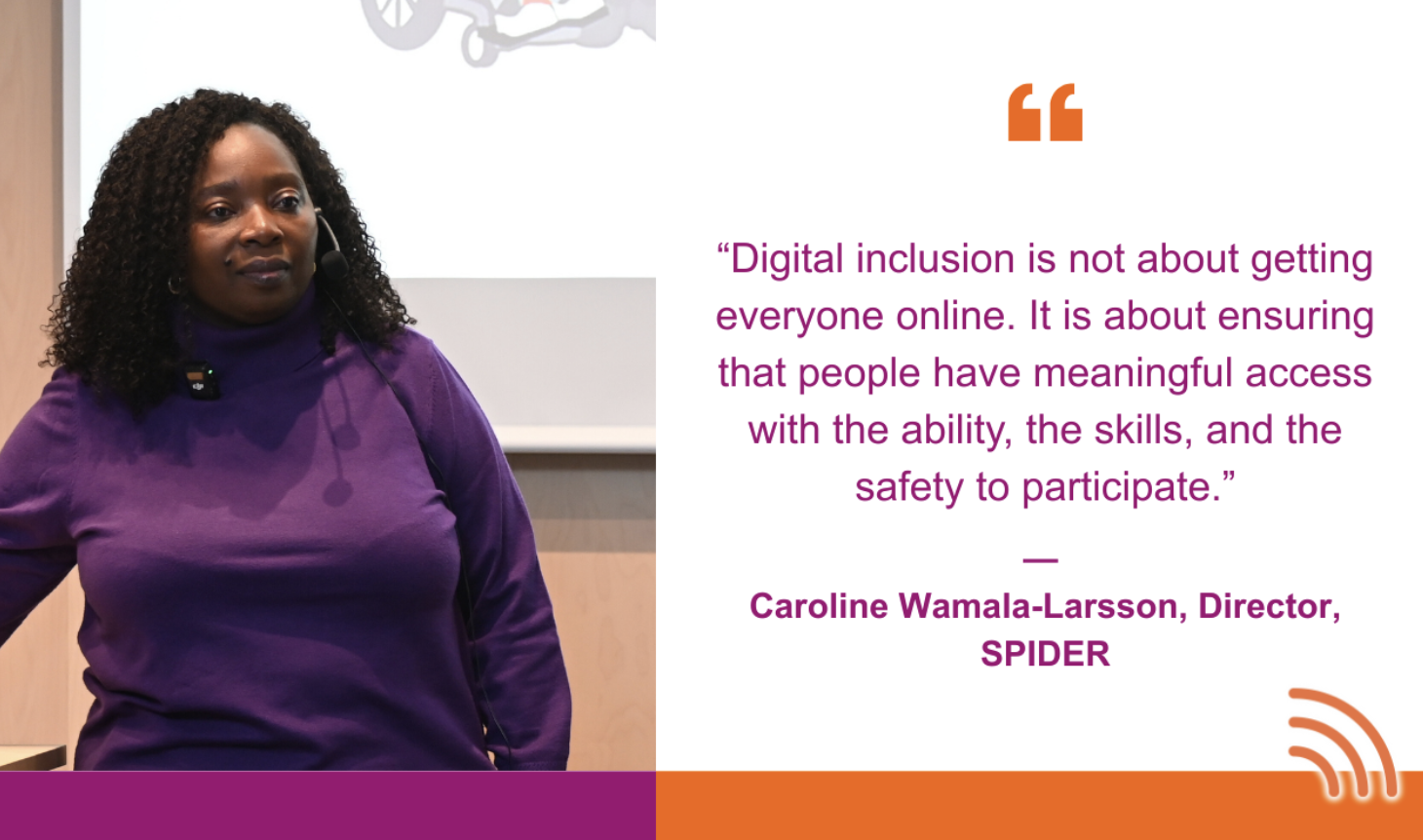
SPIDER is the operational coordinator of iPRIS, a Team Europe Initiative to strengthen ICT regulation and institutional capacity across Sub-Saharan Africa through SPIDER's peer-to-peer model for capacity building. The project is part of the broader Africa-Europe Digital Regulators Partnership, under the Team Europe Initiative D4D for Digital Economy and Society in Sub-Saharan Africa.
The ICT Policy & Regulation - Institutional Strengthening project, known as iPRIS, aims to improve regulation and regional convergence for affordable, secure, reliable, and high-speed connectivity infrastructure and services. It is based on the understanding that digital transformation requires not only infrastructure, but also strong institutions, capable regulators, and policy frameworks that support inclusion, investment, and user protection.
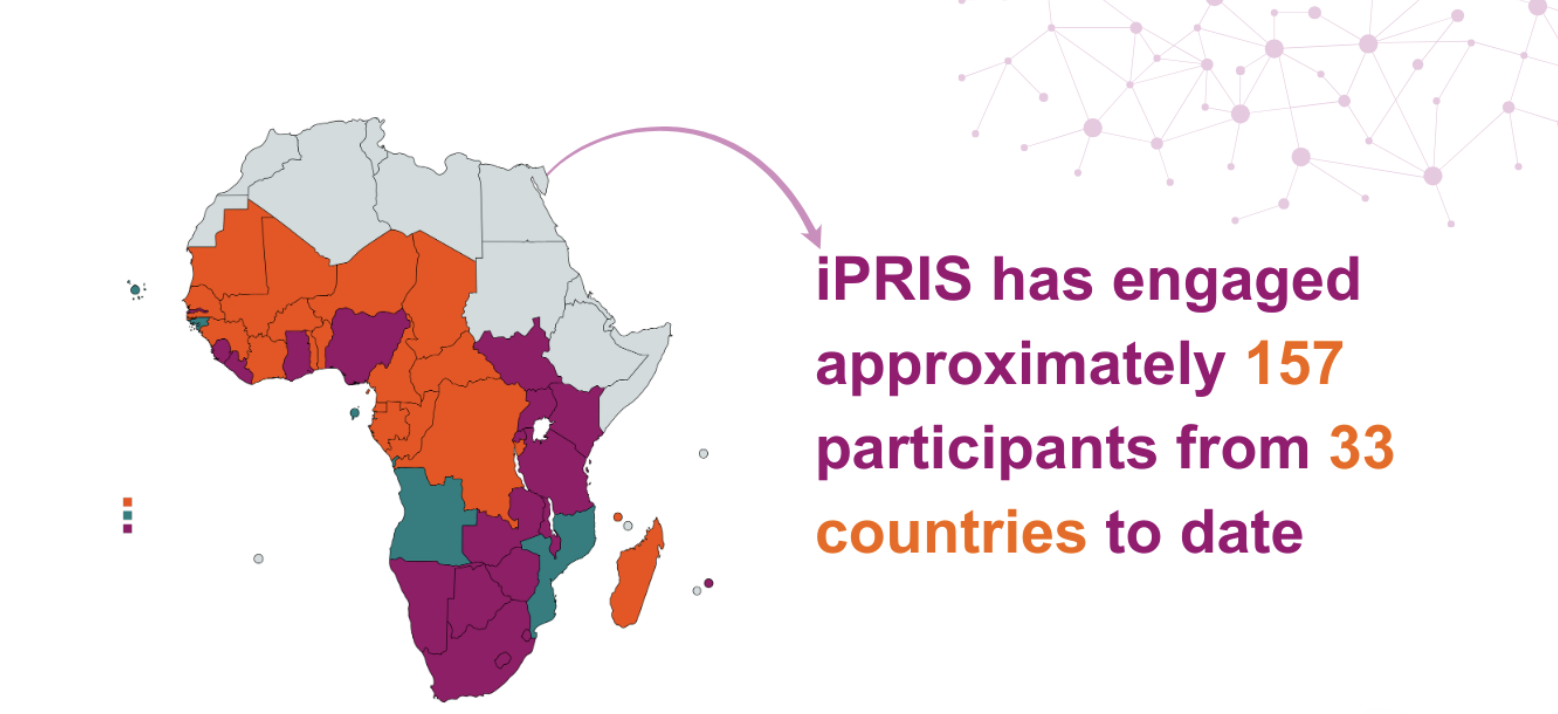
The project is co-financed by the European Union, Sweden, and Luxembourg and implemented by Sida, with SPIDER working in close partnership with the Swedish Post and Telecom Authority (PTS) and the Institut Luxembourgeois de Régulation (ILR).
A central part of iPRIS is its peer-to-peer approach, which brings together African and European regulators to exchange knowledge, share experiences, and address common regulatory challenges. The project engages regional regulatory organisations in West, Central, East, and Southern Africa, while also supporting national regulatory authorities in key areas such as consumer protection, broadband deployment, spectrum management, secure communications, and inclusive regulation.
By strengthening regulatory capacity at both national and regional levels, iPRIS contributes to a more inclusive digital future and supports efforts to close the digital divide across the continent.
Digital transformation in health care goes far beyond introducing new technologies. It demands a systems approach that acknowledges the interconnectedness of policy, infrastructure, human resources, governance, and local...